Introduction
In today’s digital-first world, businesses can no longer rely solely on traditional marketing methods such as newspaper advertisements, billboards, or television commercials. Consumers spend a significant portion of their time online, whether they are searching for products on Google, browsing social media platforms, reading blogs, or watching videos. This shift in consumer behavior has made digital marketing one of the most powerful tools for business growth.
But what is digital marketing, and why is it so important for businesses of all sizes?
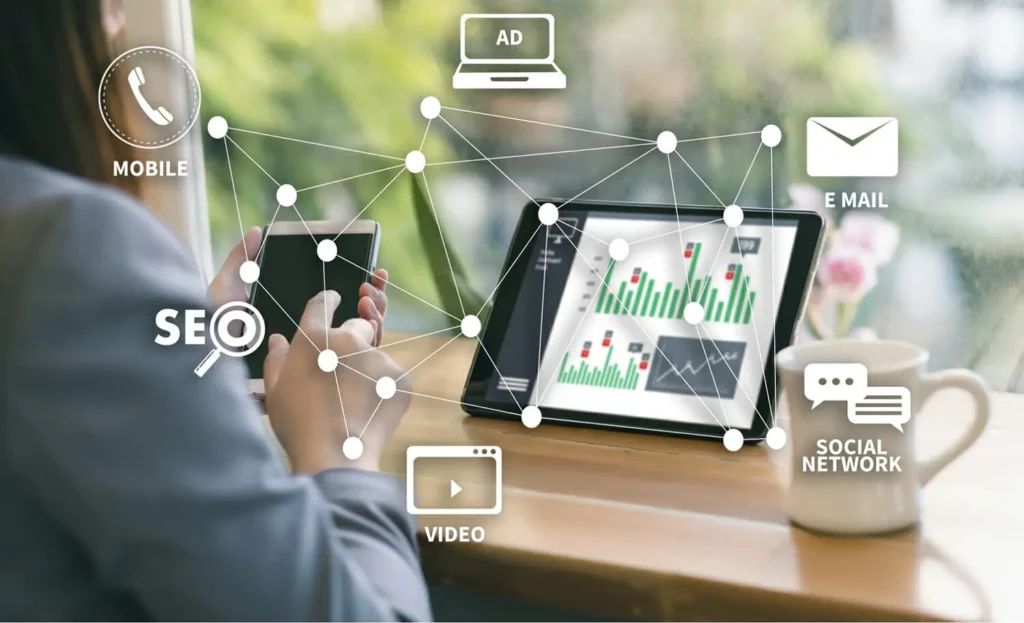
Digital marketing is the process of promoting products, services, or brands through online channels and digital technologies. It enables businesses to connect with potential customers where they spend most of their time—on the internet. Whether you’re a startup, a local business, or a large enterprise, digital marketing helps you increase visibility, generate leads, build customer relationships, and drive revenue.
In this comprehensive guide, we’ll explore everything businesses need to know about digital marketing, including its benefits, key channels, strategies, and best practices for success.
What is Digital Marketing?
Digital marketing refers to all marketing efforts that use the internet and electronic devices to reach and engage customers. Businesses leverage digital channels such as search engines, websites, social media platforms, email, and mobile apps to promote their products and services.
Unlike traditional marketing, digital marketing allows businesses to target specific audiences, track performance in real time, and optimize campaigns for better results.
For example:
- When a business appears in Google search results, that’s digital marketing.
- When a brand promotes products on Instagram or Facebook, that’s digital marketing.
- When a company sends promotional emails to customers, that’s digital marketing.
- When a business runs Google Ads to attract leads, that’s digital marketing.
The primary goal of digital marketing is to connect businesses with the right audience at the right time through the right channels.
Why is Digital Marketing Important for Businesses?
Digital marketing has transformed the way businesses communicate with customers. Today, consumers expect brands to have an online presence and provide valuable information before making purchasing decisions.
Here are some key reasons why digital marketing is essential:
1. Increased Online Visibility
Millions of people search online every day for products and services. Digital marketing helps businesses appear in front of these potential customers through search engines, social media, and other digital platforms.
A strong online presence ensures that your brand is visible whenever customers are looking for solutions related to your industry.
2. Cost-Effective Marketing
Traditional advertising can be expensive, especially for small businesses with limited budgets.
Digital marketing offers affordable options such as:
- Search Engine Optimization (SEO)
- Content Marketing
- Email Marketing
- Social Media Marketing
These strategies can generate long-term results without requiring large advertising budgets.
3. Better Audience Targeting
One of the biggest advantages of digital marketing is precise audience targeting.
Businesses can target users based on:
- Location
- Age
- Gender
- Interests
- Search behavior
- Online activity
This ensures marketing efforts reach people who are most likely to become customers.
4. Measurable Results
Traditional marketing often makes it difficult to determine campaign effectiveness.
Digital marketing provides detailed insights such as:
- Website traffic
- Click-through rates
- Conversion rates
- Lead generation metrics
- Customer engagement
These analytics help businesses make data-driven decisions and improve performance.
5. Higher Conversion Opportunities
Digital marketing allows businesses to guide potential customers through every stage of the buying journey.
By combining SEO, content marketing, email campaigns, and paid advertising, businesses can nurture leads and increase conversions more effectively.
How Digital Marketing Works
Digital marketing works by attracting users, engaging them with valuable content, and encouraging them to take action.
The typical digital marketing funnel includes:
Awareness Stage
At this stage, potential customers become aware of your business through:
- Google searches
- Social media posts
- Blog articles
- Paid advertisements
- Online videos
The goal is to capture attention and introduce your brand.
Consideration Stage
After discovering your business, customers begin researching solutions.
Businesses can build trust through:
- Educational blogs
- Case studies
- Email newsletters
- Social media engagement
- Product demonstrations
The goal is to provide value and establish credibility.
Conversion Stage
This is where users take action by:
- Purchasing a product
- Requesting a quote
- Booking a consultation
- Filling out a contact form
Effective digital marketing strategies help move users toward conversion.
Retention Stage
The customer journey doesn’t end after a sale.
Businesses use:
- Email marketing
- Loyalty programs
- Personalized offers
- Customer support
to encourage repeat purchases and long-term relationships.
Traditional Marketing vs Digital Marketing
| Traditional Marketing | Digital Marketing |
|---|---|
| Limited audience reach | Global audience reach |
| Difficult to measure results | Real-time analytics |
| Higher advertising costs | Cost-effective campaigns |
| Broad targeting | Precise audience targeting |
| Limited interaction | Direct customer engagement |
| Slower optimization | Immediate campaign adjustments |
As consumer behavior continues shifting online, businesses that embrace digital marketing gain a significant competitive advantage.
The Evolution of Digital Marketing
Digital marketing has evolved significantly over the past two decades.
In the early days of the internet, businesses primarily relied on websites and email campaigns. Today, digital marketing includes advanced technologies such as:
- Artificial Intelligence (AI)
- Marketing Automation
- Voice Search Optimization
- Video Marketing
- Influencer Marketing
- Data Analytics
These innovations allow businesses to create highly personalized customer experiences and improve marketing effectiveness.
As technology continues to evolve, digital marketing will become even more sophisticated, making it essential for businesses to stay updated with the latest trends and strategies.

Types of Digital Marketing and Their Benefits for Businesses
Digital marketing isn’t just one strategy—it’s a combination of several powerful techniques that work together to help businesses attract, engage, and convert customers. Understanding these channels allows business owners to invest in the right marketing mix based on their goals, budget, and target audience.
Let’s explore the most important types of digital marketing.
1. Search Engine Optimization (SEO)
Search Engine Optimization (SEO) is the process of improving your website so it ranks higher on search engines like Google and Bing. According to Google Search Central, when people search for products or services related to your business, SEO helps your website appear in the search results without paying for every click.
For example, if someone searches “best digital marketing agency in Dubai”, a well-optimized website has a much better chance of appearing on the first page of Google.
SEO includes several important areas:
On-Page SEO
On-page SEO focuses on optimizing the content and structure of individual web pages. This includes:
- Using relevant keywords naturally
- Writing compelling meta titles and descriptions
- Creating descriptive headings (H1, H2, H3)
- Optimizing images with ALT text
- Improving internal linking
- Creating user-friendly URLs
Off-Page SEO
Off-page SEO involves building your website’s authority through external efforts such as:
- High-quality backlinks
- Guest blogging
- Brand mentions
- Local citations
- Social media sharing
Technical SEO
Technical SEO ensures your website is easy for search engines to crawl and index. It includes:
- Website speed optimization
- Mobile responsiveness
- HTTPS security
- XML sitemaps
- Structured data (Schema Markup)
- Fixing crawl errors
Benefits of SEO
- Generates long-term organic traffic
- Builds credibility and trust
- Reduces customer acquisition costs
- Delivers high ROI over time
- Increases website visibility
2. Content Marketing
Content marketing focuses on creating valuable and informative content that educates your audience instead of directly selling to them.
Content can include:
- Blog posts
- Guides
- Case studies
- Videos
- Infographics
- Whitepapers
- E-books
- Podcasts
High-quality content helps businesses answer customer questions, establish expertise, and improve SEO rankings.
For example, this blog—“What is Digital Marketing? A Complete Guide for Businesses”—is a form of content marketing. It provides useful information while helping potential customers discover Brands Barks through search engines.
Benefits of Content Marketing
- Improves SEO performance
- Builds trust with potential customers
- Generates qualified leads
- Supports social media campaigns
- Encourages customer engagement
3. Social Media Marketing
Social media marketing involves promoting your business on platforms like:
- X (formerly Twitter)
- TikTok
- YouTube
Businesses use social media to connect with customers, increase brand awareness, and build relationships.
A successful social media strategy includes:
- Educational posts
- Promotional campaigns
- Customer testimonials
- Reels and short-form videos
- Stories
- Live sessions
- Interactive polls and quizzes
Consistency is key. Businesses that post regularly and engage with their audience are more likely to build loyal communities.
Benefits of Social Media Marketing
- Increased brand awareness
- Higher customer engagement
- Better customer support
- Improved website traffic
- Stronger brand loyalty
4. Pay-Per-Click (PPC) Advertising
PPC advertising allows businesses to display paid advertisements on search engines and social media platforms.
Unlike SEO, where results take time, PPC provides immediate visibility.
Popular PPC platforms include:
- Google Ads
- Microsoft Ads
- Facebook Ads
- Instagram Ads
- LinkedIn Ads
- YouTube Ads
With PPC, businesses only pay when someone clicks on their advertisement.
For example, a business offering web design services can bid on keywords like:
- Website Design Company
- Digital Marketing Agency
- SEO Services
When users search for these terms, paid ads appear above the organic search results.
Benefits of PPC
- Instant website traffic
- Highly targeted audience
- Flexible budgets
- Measurable results
- Quick lead generation
5. Email Marketing
Despite the rise of social media, email marketing remains one of the highest ROI digital marketing channels.
Businesses use email to:
- Share newsletters
- Announce promotions
- Educate customers
- Recover abandoned carts
- Nurture leads
- Retain existing customers
Successful email marketing focuses on providing value rather than constantly selling products.
Personalized email campaigns often achieve significantly higher open and conversion rates than generic promotional emails.
Benefits of Email Marketing
- Builds long-term customer relationships
- Increases repeat purchases
- Cost-effective communication
- Highly personalized messaging
- Excellent return on investment
6. Influencer Marketing
Influencer marketing involves partnering with individuals who have established credibility and a loyal audience on social media.
Influencers promote products or services through:
- Reviews
- Tutorials
- Sponsored posts
- Product demonstrations
- Live sessions
Businesses often collaborate with:
- Nano influencers
- Micro influencers
- Industry experts
- Content creators
Authentic recommendations from trusted influencers can significantly influence purchasing decisions.
7. Affiliate Marketing
Affiliate marketing allows businesses to partner with individuals or organizations that promote their products in exchange for a commission.
Affiliates earn money whenever someone makes a purchase using their referral link.
This performance-based marketing strategy helps businesses expand their reach while paying only for actual results.
8. Video Marketing
Video content has become one of the most engaging forms of digital marketing.
Businesses use videos for:
- Product demonstrations
- Customer testimonials
- Educational tutorials
- Behind-the-scenes content
- Brand storytelling
- Live webinars
Platforms like YouTube, Instagram Reels, Facebook Videos, and TikTok have made video marketing an essential part of every digital marketing strategy.
Studies consistently show that users are more likely to engage with and remember video content than plain text.
Benefits of Digital Marketing for Businesses
Digital marketing offers advantages that traditional marketing simply cannot match.
1. Global Reach
Businesses are no longer limited by geographic boundaries. A well-optimized website can attract visitors from around the world.
2. Better Customer Targeting
Digital marketing platforms allow businesses to target audiences based on:
- Age
- Gender
- Interests
- Occupation
- Device type
- Purchase behavior
- Geographic location
This precision improves campaign efficiency and reduces wasted advertising spend.
3. Higher Return on Investment (ROI)
Since every campaign can be tracked and optimized, businesses often achieve better ROI compared to traditional advertising methods.
Analytics tools help marketers identify what works and what doesn’t, enabling continuous improvement.
4. Real-Time Performance Tracking
With digital marketing, businesses can monitor:
- Website traffic
- Conversion rates
- Bounce rates
- User behavior
- Click-through rates
- Cost per lead
- Revenue generated
This data allows for informed decision-making and ongoing optimization.
5. Stronger Customer Relationships
Digital marketing encourages two-way communication.
Businesses can:
- Respond to comments
- Answer customer questions
- Gather feedback
- Build communities
- Improve customer satisfaction
Strong customer relationships lead to higher retention rates and increased lifetime value.
Common Mistakes Businesses Should Avoid
Even the best marketing budget can be wasted if businesses make avoidable mistakes. Some of the most common include:
- Ignoring SEO and relying only on paid ads.
- Publishing inconsistent or low-quality content.
- Not optimizing websites for mobile users.
- Failing to track campaign performance.
- Targeting the wrong audience.
- Neglecting website speed and user experience.
- Posting on social media without a clear strategy.
- Ignoring email marketing and customer retention.
- Using too many keywords, making content unnatural.
- Not updating old content with fresh information.
Avoiding these mistakes can significantly improve your marketing performance and maximize your return on investment.
How to Build a Successful Digital Marketing Strategy
Having access to digital marketing channels is only the first step. To achieve measurable business growth, you need a well-planned strategy that aligns with your objectives and target audience.
Follow these steps to build an effective digital marketing strategy.
1. Define Your Business Goals
Start by identifying what you want to achieve. Your goals should be SMART (Specific, Measurable, Achievable, Relevant, and Time-bound).
Examples include:
- Increase website traffic by 30% in six months.
- Generate 100 qualified leads per month.
- Improve online sales by 25%.
- Increase social media engagement by 40%.
- Rank on the first page of Google for target keywords.
Clear goals help measure success and guide your marketing decisions.
2. Understand Your Target Audience
Knowing your audience is the foundation of successful marketing. Research their:
- Demographics (age, gender, location)
- Interests and hobbies
- Pain points and challenges
- Online behavior
- Preferred social media platforms
- Search intent
Creating detailed buyer personas helps you craft personalized marketing messages that resonate with potential customers.
3. Build a Professional Website
Your website is often the first impression customers have of your business. It should be:
- Fast-loading
- Mobile-friendly
- Easy to navigate
- Secure (HTTPS)
- Optimized for search engines
- Designed with clear calls-to-action (CTAs)
A well-designed website improves user experience, builds trust, and increases conversions.
4. Create High-Quality Content
Content remains one of the most effective ways to attract and engage your audience. Focus on producing valuable resources such as:
- Blog posts
- How-to guides
- Case studies
- Videos
- Infographics
- FAQs
- Industry insights
Aim to solve your audience’s problems rather than simply promoting your services. Valuable content positions your business as an authority in your industry.
5. Optimize for Search Engines
SEO should be integrated into every piece of content you publish. Key practices include:
- Conducting keyword research.
- Using keywords naturally in headings and body text.
- Writing compelling meta titles and descriptions.
- Optimizing images with descriptive ALT text.
- Linking to relevant internal pages.
- Earning quality backlinks from reputable websites.
Consistent SEO efforts help improve search engine rankings and drive long-term organic traffic.
6. Leverage Social Media
Choose the platforms where your audience is most active and maintain a consistent posting schedule. Share:
- Educational content
- Industry updates
- Customer success stories
- Behind-the-scenes content
- Videos and reels
- Promotions and offers
Engage with your audience by responding to comments and messages promptly.
7. Monitor and Improve Performance
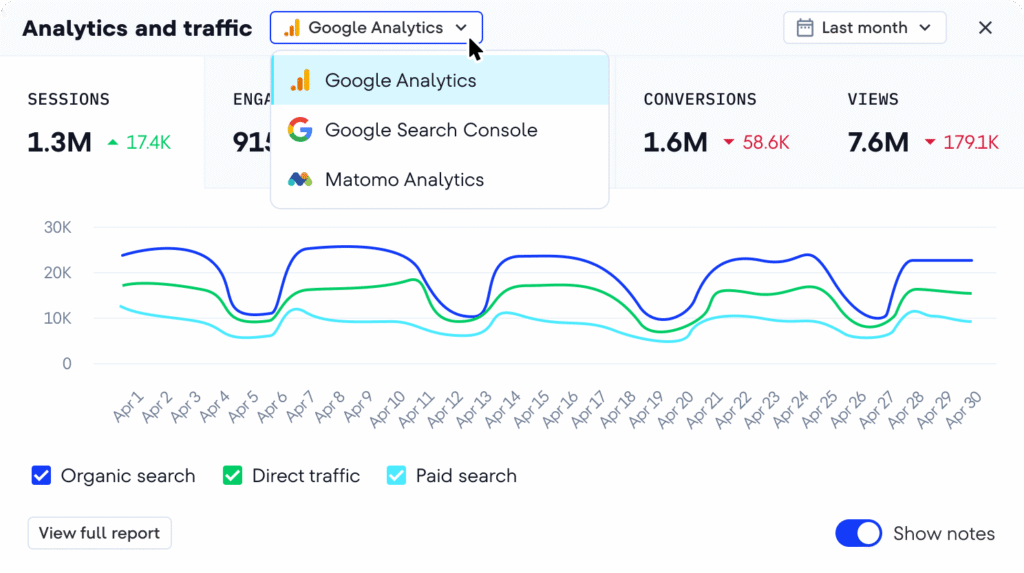
Use analytics tools such as Google Analytics and Google Search Console to track key metrics:
- Organic traffic
- Keyword rankings
- Bounce rate
- Conversion rate
- Session duration
- Lead generation
- Return on investment (ROI)
Regular analysis allows you to identify opportunities, refine strategies, and improve overall performance.
Future Trends in Digital Marketing
Digital marketing continues to evolve with changing technology and consumer behavior. Businesses that stay ahead of these trends are better positioned for long-term success.
Artificial Intelligence (AI)
AI-powered tools are transforming content creation, customer service, campaign optimization, and data analysis. Businesses can automate repetitive tasks while delivering more personalized experiences.
Voice Search Optimization
As voice assistants become more popular, optimizing content for conversational search queries is increasingly important.
Video Marketing
Short-form videos on platforms like Instagram Reels, YouTube Shorts, and TikTok continue to dominate user engagement.
Personalization
Customers expect tailored experiences. Personalized emails, product recommendations, and targeted advertisements improve customer satisfaction and conversion rates.
Local SEO
For businesses serving specific geographic areas, optimizing Google Business Profiles, earning local reviews, and creating location-specific content can significantly improve visibility.
Frequently Asked Questions
1. What is digital marketing?
Digital marketing is the process of promoting products or services through online channels such as search engines, websites, social media, email, and paid advertising. It helps businesses attract customers, increase brand awareness, and drive sales using measurable strategies.
2. Why is SEO important in digital marketing?
SEO improves your website’s visibility in search engine results, helping potential customers find your business organically. It increases website traffic, builds credibility, and delivers long-term growth without paying for every click.
3. Which digital marketing channel is best for small businesses?
There is no one-size-fits-all solution. However, SEO, content marketing, social media marketing, and local SEO often provide the best long-term value for small businesses. PPC advertising is also effective for generating immediate leads.
4. How long does SEO take to show results?
SEO is a long-term strategy. Most businesses begin seeing measurable improvements within 3 to 6 months, depending on competition, website quality, and the consistency of optimization efforts.
5. Can digital marketing work with a limited budget?
Yes. Many digital marketing strategies, such as SEO, content marketing, and email marketing, are highly cost-effective and can deliver excellent returns even with modest budgets.
6. What is the difference between SEO and PPC?
SEO focuses on improving organic search rankings over time, while PPC (Pay-Per-Click) advertising delivers immediate visibility through paid ads. Combining both strategies often provides the best results.
7. Why is content marketing important?
Content marketing helps educate your audience, answer common questions, improve SEO rankings, establish authority, and generate qualified leads.
8. How can businesses measure digital marketing success?
Businesses can track metrics such as website traffic, keyword rankings, lead generation, conversion rates, engagement, and ROI using analytics tools.
9. Should every business invest in digital marketing?
Yes. Whether you’re a startup, local business, or established company, digital marketing helps you reach your target audience, compete effectively, and grow sustainably.
10. Why choose Brands Barks for digital marketing?
Brands Barks provides customized digital marketing solutions, including SEO, PPC, social media marketing, content marketing, and website development. Our data-driven strategies help businesses improve online visibility, generate quality leads, and achieve measurable growth.
Conclusion
Digital marketing has become an essential part of modern business success. It enables businesses to connect with the right audience, build lasting relationships, and achieve measurable growth through channels such as SEO, content marketing, social media, email marketing, and PPC advertising.
Unlike traditional marketing, digital marketing offers precise targeting, real-time analytics, and cost-effective campaigns that can be optimized continuously. Whether you’re a startup looking to establish your online presence or an established business aiming to scale, investing in a comprehensive digital marketing strategy is no longer optional—it’s a necessity.
Success doesn’t happen overnight, but with consistent effort, valuable content, and the right strategy, businesses can build authority, attract qualified leads, and stay ahead of the competition.
Ready to Grow Your Business Online?
At Brands Barks, we help businesses achieve measurable results through customized digital marketing solutions. From SEO and content marketing to PPC campaigns, social media management, and website development, our team creates strategies tailored to your business goals.
Contact Brands Barks today to discover how our digital marketing experts can help increase your online visibility, generate quality leads, and accelerate your business growth.