
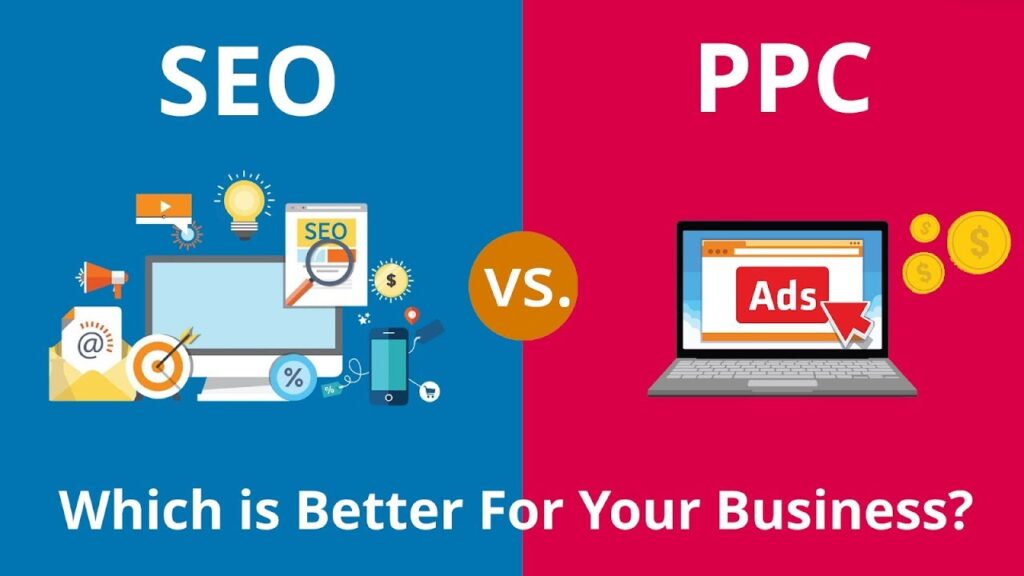
If you’re a small business owner trying to grow online, you’ve probably asked yourself an important question: Should I invest in SEO or Google Ads?
Both can help your business attract potential customers from Google, but they work in very different ways. SEO focuses on improving your website’s organic visibility, while Google Ads allows you to pay for advertising placements and reach potential customers almost immediately.
The right choice depends on your goals, budget, competition, industry, and how quickly you need results.
In this guide, we’ll compare SEO vs Google Ads in detail, including cost, speed, traffic, ROI, sustainability, targeting, and the situations where each strategy makes the most sense. By the end, you’ll have a clearer idea of whether your business should choose SEO, Google Ads, or a combination of both.
What Is SEO?
Search Engine Optimization, commonly known as SEO, is the process of improving a website so that it can appear higher in organic search engine results.
For example, imagine you own a web design company in Dubai. A potential customer searches Google for “web design company Dubai.” If your website has strong SEO and ranks on the first page, that customer may discover your business without you paying Google for every click.
SEO involves improving your website so that search engines can better understand your content and users can discover your pages through search. You can learn more about SEO best practices in Google’s Google SEO Starter Guide.
SEO typically involves several areas, including:
- Keyword research
- On-page optimization
- Technical SEO
- Content creation
- Internal linking
- Website speed optimization
- Mobile optimization
- Local SEO
- Link building and digital PR
The goal is to make your website more useful to visitors and easier for search engines to understand.
How SEO Generates Traffic
SEO attracts users who are actively searching for information, products, or services.
For example:
User searches: “best digital marketing agency in Dubai”
Your website appears organically → User visits your website → User explores your services → User contacts your business
The major advantage is that you don’t pay Google every time someone clicks your organic result.
However, SEO requires consistent effort and usually takes longer to produce meaningful results than paid advertising.
What Are Google Ads?
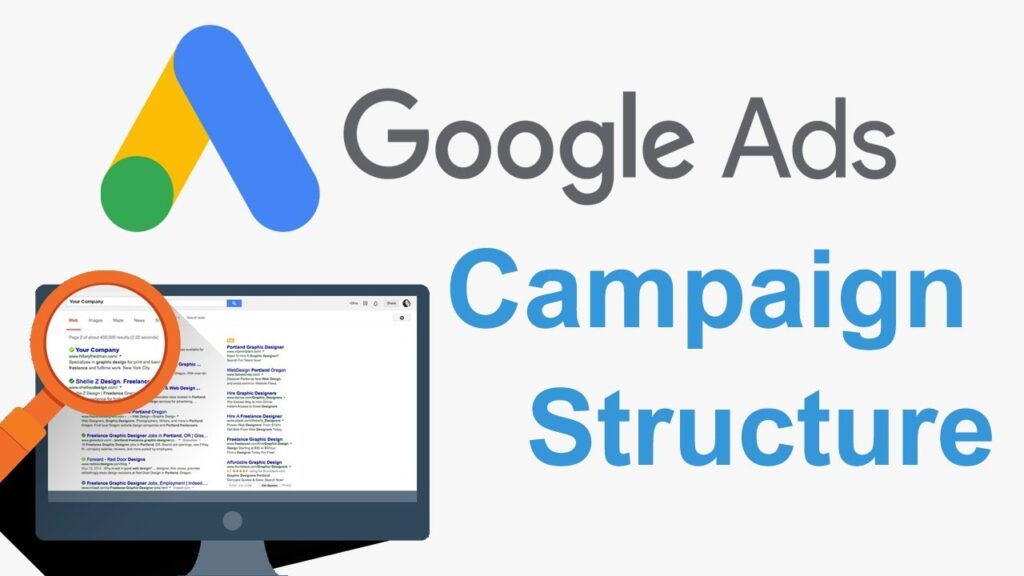
Google Ads is Google’s online advertising platform. Businesses can create paid campaigns that appear when users search for relevant keywords or browse websites and platforms within Google’s advertising network.
For search campaigns, advertisers typically bid on keywords relevant to their products or services.
For example, a company offering SEO services could create a Google Ads campaign targeting searches such as:
- SEO agency Dubai
- SEO services Dubai
- SEO company for small business
- Digital marketing agency Dubai
When someone searches for a relevant term, an eligible advertisement may appear in the sponsored section of the search results.
Google Ads can provide businesses with immediate visibility, making it particularly useful when a company needs traffic or leads quickly.
SEO vs Google Ads: The Key Difference
The simplest way to understand the difference is:
SEO earns organic visibility, while Google Ads buys advertising visibility.
With SEO, you invest in improving your website and content so search engines can rank your pages organically.
With Google Ads, you pay to participate in an advertising auction and potentially appear in sponsored positions for searches relevant to your campaign.
Both strategies can bring highly targeted visitors to your website, but they differ in how quickly they work, how costs accumulate, and how long the results can last.
SEO vs Google Ads: Detailed Comparison
| Factor | SEO | Google Ads |
|---|---|---|
| Traffic type | Organic | Paid |
| Speed | Usually slower | Usually faster |
| Long-term value | High | Depends on continued spending |
| Cost model | Investment in optimization/content | Usually pay per click or other campaign objectives |
| Results after stopping | Can continue | Paid traffic generally stops when campaigns stop |
| Targeting | Based heavily on search intent and relevance | Detailed campaign targeting and keywords |
| Brand authority | Can strengthen over time | Builds visibility but is clearly marked as an ad |
| Best for | Long-term growth | Immediate visibility and lead generation |
| Optimization | Ongoing SEO work | Ongoing campaign optimization |
SEO vs Google Ads: Which Is More Cost-Effective?
Cost is one of the biggest considerations for small businesses.
SEO does not mean “free traffic.” Businesses still need to invest in strategy, content, technical improvements, optimization, and authority building. However, organic traffic does not require a payment to Google for every individual click.
Google Ads, on the other hand, requires an advertising budget. The amount you spend depends on factors such as your industry, competition, keywords, location, campaign settings, and bidding strategy.
For example, competitive commercial keywords can attract expensive clicks. If your campaign generates qualified leads and customers at a profitable cost, the investment can still make sense.
Which Has Better ROI?
There is no universal winner.
SEO can produce strong long-term ROI because successful pages can continue attracting organic traffic after the initial optimization and content investment.
Google Ads can provide strong ROI when campaigns are carefully targeted and optimized for profitable conversions.
The important metric isn’t simply traffic. You should measure:
- Cost per lead
- Conversion rate
- Customer acquisition cost
- Average order value
- Customer lifetime value
- Revenue generated
A campaign that produces 1,000 visitors but no customers isn’t necessarily better than one that produces 100 visitors and 20 qualified leads.
SEO vs Google Ads: Which Gives Faster Results?
If speed is your priority, Google Ads generally has the advantage.
Once your campaigns are properly configured, your advertisements can begin appearing to relevant users after the campaign becomes eligible to run.
SEO usually takes longer because search engines need to discover, crawl, understand, and evaluate your website and content. Competitive keywords may require significant time and effort before achieving strong rankings.
This doesn’t make SEO less valuable. It simply means the two strategies operate on different timelines.
Google Ads Is Better When:
- You need leads quickly.
- You’re launching a new product.
- You’re promoting a limited-time offer.
- You want immediate visibility.
- You want to test keyword demand.
- You’re entering a competitive market.
SEO Is Better When:
- You want sustainable organic traffic.
- You’re building long-term brand visibility.
- You want to establish authority.
- You want to reduce dependence on paid advertising over time.
- You’re willing to invest consistently.
SEO vs Google Ads for Small Businesses
Small businesses often have limited marketing budgets, which makes choosing the right strategy especially important.
If your business needs customers immediately, Google Ads can be an effective starting point.
For example, a local service provider such as a plumber, lawyer, dentist, or marketing agency may benefit from paid search because users are already searching for the service they need.
However, relying exclusively on paid advertising can become expensive over time.
SEO can help build a more sustainable source of website traffic. By creating useful content and optimizing important service pages, a small business can gradually increase its visibility for relevant searches.
For many small businesses, the strongest strategy is therefore not SEO vs Google Ads, but SEO + Google Ads.
Why Businesses Should Consider Using SEO and Google Ads Together
SEO and Google Ads can complement each other.
Suppose your business wants to rank organically for the keyword “digital marketing agency Dubai,” but the SEO campaign will take several months to gain traction.
You can use Google Ads to generate immediate visibility while continuing your SEO campaign.
This creates two opportunities:
Short term: Google Ads generates targeted traffic and potential leads.
Long term: SEO works toward building organic rankings and sustainable traffic.
Google Ads can also provide useful data about which keywords and messages generate clicks and conversions. That information can help inform your broader marketing strategy.
Similarly, SEO research can identify valuable search queries that may be worth testing through paid campaigns.
When Should You Choose SEO?
SEO may be the better choice if your primary objective is long-term organic growth.
Choose SEO when:
You Want Sustainable Traffic
A successful organic ranking can continue bringing visitors without paying for every click.
You Want to Build Authority
Publishing valuable, trustworthy content can help establish your business as an authority in its industry.
You Have Long-Term Goals
SEO works best when treated as an ongoing investment rather than a quick campaign.
Your Customers Research Before Buying
If customers regularly compare providers, read reviews, and search for information before making a purchase, organic content can play an important role in their decision-making process.
When Should You Choose Google Ads?
Google Ads may be more appropriate when speed and immediate visibility are your priorities.
Choose Google Ads when:
You Need Leads Quickly
Paid search can put your business in front of potential customers without waiting months for organic rankings.
You’re Running a Promotion
Temporary offers and seasonal campaigns can benefit from immediate paid visibility.
You’re Launching a New Business
A new website may have little or no organic authority. Google Ads can help generate initial traffic while SEO develops.
You Want Highly Targeted Traffic
Google Ads provides campaign controls that allow advertisers to target specific keywords, locations, audiences, devices, and other campaign settings.
SEO vs Google Ads: Which Is Better for Local Businesses?
Local businesses can benefit from both strategies.
SEO can help businesses appear in organic search results and strengthen local visibility through optimized location pages, relevant content, citations, reviews, and Google Business Profile optimization.
Google Ads can help businesses reach people searching for services in specific geographic areas.
For example, a Dubai-based restaurant could use SEO to target searches related to its cuisine and location while using Google Ads to promote special offers during high-demand periods.
The best strategy depends on the customer’s search behavior and the business’s objectives.
Common Mistakes Businesses Make
Whether you’re investing in SEO or Google Ads, avoid these common mistakes.
1. Choosing Keywords Without Understanding Search Intent
A keyword may receive thousands of searches but still produce poor business results if the people searching for it aren’t ready to buy.
2. Sending All Traffic to the Homepage
A visitor searching for SEO services should ideally land on a relevant SEO service page rather than a generic homepage.
3. Ignoring Conversion Optimization
Getting traffic isn’t enough. Your landing pages need clear messaging, strong calls to action, easy navigation, and trust signals.
4. Stopping SEO Too Early
SEO requires consistency. Abandoning a campaign before it has had enough time to produce results can waste the investment already made.
5. Running Google Ads Without Tracking Conversions
Clicks aren’t the same as customers. Businesses should track meaningful actions such as calls, form submissions, purchases, and qualified leads.
SEO vs Google Ads: Which One Should Your Business Choose?
There isn’t a single answer for every business.
If you need immediate visibility and leads, Google Ads may be the better starting point.
If you want long-term organic growth and sustainable visibility, SEO may be the better investment.
If your budget allows, combining both can provide the strongest overall strategy.
A balanced approach could look like this:
Google Ads → Immediate traffic and lead generation
SEO → Long-term organic growth
Content Marketing → Education and authority
Conversion Optimization → Turning visitors into customers
Together, these strategies create a stronger digital marketing ecosystem.
How to Decide Between SEO and Google Ads
Before choosing, ask yourself these five questions:
- How quickly do I need results?
- What is my monthly marketing budget?
- How competitive are my target keywords?
- What is the value of each new customer?
- Do I want short-term leads, long-term traffic, or both?
Your answers will help determine where to allocate your marketing budget.
For example, a business launching a new service next month may prioritize Google Ads initially. A business focused on building a strong online presence over the next several years may prioritize SEO.
The most successful businesses often treat marketing as an ongoing process rather than a one-time decision.
Frequently Asked Questions
Is SEO better than Google Ads?
Neither is universally better. SEO is generally stronger for long-term organic visibility, while Google Ads can provide faster paid traffic and lead generation. The right choice depends on your goals, budget, competition, and timeline.
Is Google Ads cheaper than SEO?
Not necessarily. Google Ads requires an ongoing advertising budget, while SEO requires investment in content, optimization, technical improvements, and authority building. The better option depends on your cost per acquisition and return on investment.
How long does SEO take to show results?
SEO timelines vary depending on competition, website quality, content, authority, and the keywords being targeted. Some improvements can appear relatively quickly, while competitive rankings may require several months or longer.
Can I use SEO and Google Ads together?
Yes. In fact, using both can be highly effective. Google Ads can provide immediate visibility while SEO builds sustainable organic traffic over time.
Is Google Ads good for small businesses?
Yes, when campaigns are carefully targeted and conversion tracking is properly configured. Small businesses can control their advertising budgets and target specific search queries and locations.
Does SEO stop working if I stop paying?
SEO isn’t a pay-per-click system, but maintaining rankings still requires ongoing attention. Competitors continue optimizing their websites, search behavior changes, and content can become outdated. Continued SEO maintenance helps protect and improve organic visibility.
Which is better for a new website: SEO or Google Ads?
A new website can benefit from both. Google Ads can generate immediate visibility while SEO builds the site’s organic presence over time.
Can Google Ads help my SEO rankings?
Google Ads and organic rankings are separate systems. Running Google Ads does not directly buy higher organic rankings. However, paid campaigns can provide useful marketing and keyword data, while increased brand exposure may support broader marketing efforts.
Conclusion
The debate around SEO vs Google Ads shouldn’t be about finding one universal winner. Both strategies solve different problems and can play important roles in a successful digital marketing plan.
Google Ads is particularly valuable when you need immediate visibility, targeted traffic, and faster opportunities for lead generation. SEO is a powerful long-term strategy for building organic visibility, authority, and sustainable website traffic.
For many businesses, the smartest approach is to use both. Google Ads can help generate results today while SEO builds a stronger foundation for tomorrow.
The key is to focus on business outcomes rather than vanity metrics. Track leads, conversions, customer acquisition costs, and revenue to understand which strategies are actually contributing to growth.
Ready to Grow Your Business Online?

Choosing between SEO and Google Ads can be challenging, especially when you have a limited budget and need measurable results.
Brands Barks helps businesses develop customized digital marketing strategies that combine the right mix of SEO, PPC, content marketing, social media, and other digital channels.
Whether your goal is to increase organic traffic, generate qualified leads, improve search visibility, or grow online sales, a data-driven strategy can help you make better use of your marketing budget.
Contact Brands Barks today to discuss a digital marketing strategy tailored to your business goals.